
The Art of Inequality: Architecture, Housing, and Real Estate
Typically, inequality is defined by a combination of economic measures referring to income and wealth. Entire populations, in the language of statistics, are measured and managed according to their place … Continue reading
Missing the Millennium Development Goal targets for water and sanitation in urban areas
David Satterthwaite – This paper reviews progress towards the Millennium Development Goals (MDGs) for water and sanitation in urban areas. Drawing on UN data, it shows the disastrous performance of many … Continue reading
Benchmarking future city-regions beyond nation-states
This paper argues that new city-regional configurations are emerging and establishing a regional order beyond nation-states, both as a consequence of certain nationalistic political devolution claims and due to the … Continue reading
Transforming Women’s Work
A new report from the AFL-CIO, the Rutgers Center for Women’s Global Leadership and the AFL-CIO Solidarity Center, Transforming Women’s Work: Policies for an Inclusive Economic Agenda, discusses the critical … Continue reading
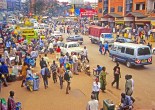
The informal as the “city” in urban Africa: Experiences from Kampala
Originally posted on UGEC Viewpoints:
Shuaib Lwasa Makerere University, Uganda Cities in developing countries have grappled with spatial planning, infrastructure, housing and, more recently, fragmented and “runaway” development. Spatial plans…
Innovating for pro-poor services: why politics matter
Despite innovation efforts and optimism across the development sector, few innovations lead to actual sustainable, systemic change. Too often the barriers are political – factors such as motivation, power and … Continue reading
The Politics of Climate Change
Veteran activist Rebecca Solnit, writing on the eve of the latest UN climate change summit, divides “the people in the streets of Paris” from “the people in the conference rooms … Continue reading

